Winter in Nevada can be quite a mixed bag. While the scenic snow-capped mountains and brisk air create a picturesque landscape, they also bring about a number of challenges for homeowners. One of the most pressing issues during these colder months is the risk of frozen pipes. When temperatures plummet, water inside your pipes can freeze, expand, and cause significant damage. Knowing how to thaw those pipes safely is crucial—not only to protect your plumbing system but also to avoid costly repairs.
Understanding the signs of frozen pipes and the safe methods for thawing them can save you time and money. Here’s a comprehensive guide to help you navigate this winter challenge effectively.
Recognizing Frozen Pipes
Before diving into thawing techniques, it’s essential to identify whether your pipes are frozen. Common indicators include:
- Lack of water flow from faucets Unusual sounds when turning on taps Visible frost on exposed pipes A section of pipe that feels unusually cold to the touch
If you notice any of these signs, it’s time to take action.
Immediate Steps When You Suspect Frozen Pipes
When you suspect that your pipes might be frozen, it’s crucial to act promptly. The first step is to locate the affected area. Typically, areas that are poorly insulated or located near exterior walls are more susceptible to freezing. Once identified, take the following immediate steps:
Turn Off Water Supply: If you have access to shut-off valves for the affected pipe, turn them off immediately to prevent further damage if the pipe bursts. Open Faucets: Open both hot and cold taps connected to your suspected frozen pipe. This will relieve pressure in the system and allow melted water to flow through once thawing begins. Heat the Area: If possible, increase warmth in the affected space by opening cabinets or using space heaters safely.Safe Methods for Thawing Frozen Pipes
Thawing frozen pipes requires patience and care. Here are some tried-and-true methods that can help:
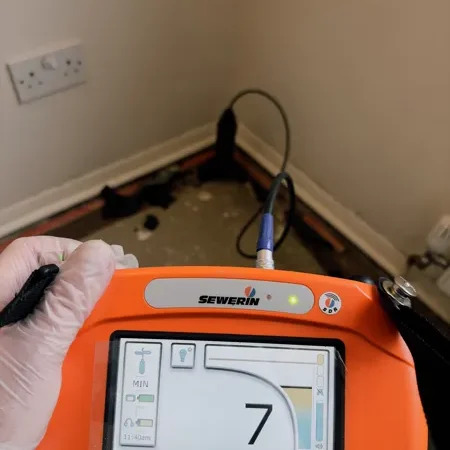
1. Use Heat Tape or Cable
Applying heat tape or cable directly onto the frozen area is one effective method for thawing pipes safely. These products are designed specifically for heating up plumbing lines without causing damage. Make sure you follow manufacturer instructions closely for optimal results.
2. Apply Warm Towels
Soaking towels in warm water and wrapping them around the frozen section can gradually raise its temperature. This method is gentle and minimizes risk compared to direct heat sources like blow dryers or torches.
3. Use a Hair Dryer or Heat Gun
For small sections of piping, a hair dryer set on low can provide targeted heat without risking damage associated with open flames or extreme heat levels found in some tools like propane torches. Keep moving it along the pipe rather than concentrating heat in one spot.
4. Space Heater Approach
If multiple sections are impacted or if it’s not feasible to isolate specific areas, using an electric space heater in proximity can help raise overall room temperature while providing gentle warmth over time.
5. Professional Help
Sometimes DIY methods may not cut it, especially if multiple sections are affected or if you’re uncertain about safety protocols involving electrical devices near water sources. In such cases, calling an emergency plumber Sparks NV may be necessary.
What Not To Do When Thawing Frozen Pipes
Equally important as knowing how to thaw your pipes is understanding what practices could worsen your situation:
- Avoid using open flames like torches; they pose fire hazards and can damage plumbing materials. Do not use boiling water; drastic temperature changes can cause cracks in older pipes. Never forcefully tap on frozen sections with tools; this could lead to fractures or leaks once thawed.
Preventive Measures Against Frozen Pipes
Once you've dealt with frozen pipes this winter, consider implementing preventive strategies for future winters:

When To Call A Plumber In Sparks NV
There may come a point where despite all precautions taken—and even after attempting various thawing techniques—the situation does not improve as expected or worsens significantly (such as water pooling). At this stage, reach out to professionals such as Bighorn Plumbing who understand local conditions well and have experience dealing with Nevada's unique climate challenges.
An emergency plumber Sparks NV will be equipped with specialized tools and knowledge necessary for assessing potential damage beyond just freezing—such as leaks caused by ruptured lines—which could lead into larger repair bills if left unaddressed.
Conclusion
Winter presents numerous challenges for homeowners in Nevada—frozen pipes being one of them—but understanding how best to manage these risks safeguards your home from serious damage down the line while saving money on https://lorenzokcta909.lucialpiazzale.com/bighorn-plumbing-your-trusted-sparks-nv-plumber repairs too! By recognizing early signs of trouble combined with proper thawing techniques (and knowing when professional assistance becomes necessary), you're better prepared against winter's icy grasp.
Taking proactive measures now will not only protect your plumbing but also ensure that when spring arrives—and warmer weather follows—your home remains fully functional without unexpected surprises lurking beneath its surface!
Bighorn Plumbing
1929 E Prater Way, Sparks, NV 89434, United States
+1 (775) 380-0911
[email protected]
Website: https://www.callbighorn.com