When considering the environmental impact of our homes, plumbing might not https://writeablog.net/whyttawpbn/h1-b-spotlight-on-sustainable-practices-adopted-by-leading-plumbers-like be the first thing that comes to mind. However, the choices we make regarding plumbing systems can significantly affect water consumption, energy use, and even local ecosystems. As a plumber in Sparks NV, I have seen firsthand how sustainable plumbing solutions can not only benefit homeowners but also contribute positively to the environment.
Understanding Water Usage in Households
Water is an invaluable resource, yet many households waste it through outdated plumbing fixtures and inefficient systems. On average, a family of four uses about 400 gallons of water per day. A significant portion of this is attributed to toilets, showers, faucets, and leaks. In fact, leaky faucets alone can waste over 3,000 gallons of water annually per household.
Choosing efficient fixtures can drastically reduce this number. Low-flow toilets use about 1.28 gallons per flush compared to older models that may consume 3.5 to 7 gallons. Similarly, low-flow showerheads and faucets can save hundreds of gallons each year without sacrificing performance.
Energy Consumption and Its Environmental Toll
The relationship between plumbing and energy consumption often goes overlooked. Heating water accounts for a substantial part of home energy use — approximately 18 percent according to the U.S. Department of Energy. Traditional water heaters can be inefficient and lead to higher utility bills.
Opting for energy-efficient appliances like tankless water heaters or heat pump water heaters helps reduce energy usage substantially. Tankless models provide hot water on demand and eliminate standby heat loss associated with conventional tanks. The environmental benefits extend beyond reduced electricity usage; less fossil fuel consumption leads to lower greenhouse gas emissions.
Sustainable Materials in Plumbing
The materials you choose for your plumbing system play a crucial role in its overall environmental impact. Traditional materials like PVC (polyvinyl chloride) are widely used due to their affordability and durability but have significant drawbacks when it comes to environmental sustainability.
For example, copper pipes are more eco-friendly as they are recyclable and have a long lifespan. While they may come at a higher initial cost than PVC or PEX (cross-linked polyethylene), their durability reduces the frequency of replacement and waste production over time.
Additionally, if you're considering renovations or new installations, exploring options like reclaimed materials or components made from sustainable resources can further minimize your ecological footprint.
Greywater Systems: Recycling Water
One innovative approach gaining traction among environmentally conscious homeowners is the implementation of greywater systems. These systems collect wastewater from sinks, showers, and washing machines—essentially any water that has been used but is not contaminated—and repurpose it for irrigation or toilet flushing.
By recycling greywater, households can reduce their overall freshwater demand significantly. According to the Environmental Protection Agency (EPA), implementing greywater systems can save an average household around 30 percent on their water usage. Installing such systems may require assistance from skilled plumbers familiar with local regulations regarding greywater reuse.
Rainwater Harvesting: A Sustainable Solution
Another effective way to lessen the environmental impact associated with plumbing is through rainwater harvesting systems. These devices capture rainwater runoff from rooftops for various uses such as irrigation or even non-potable indoor applications.
In regions prone to drought or where municipal water supplies are limited, rainwater harvesting provides a reliable alternative source of water while reducing stormwater runoff that can harm local ecosystems by causing erosion and pollution in waterways.
Proper installation requires expertise; ensuring that collected rainwater is filtered adequately before use is crucial for maintaining safety standards and functionality.
The Role of Smart Technology in Plumbing
Integrating smart technology into plumbing systems offers another layer of sustainability while enhancing convenience for homeowners. Smart meters allow real-time monitoring of water usage patterns which help identify leaks early on—preventing significant waste before it becomes an issue.
Moreover, smart irrigation controllers adjust watering schedules based on weather conditions or soil moisture levels—conserving both water and energy while keeping landscapes healthy and vibrant.
As a Sparks NV plumber with experience in modern technologies, I see how these innovations not only promote efficiency but also empower homeowners with knowledge about their consumption habits—encouraging more mindful practices overall.
The Cost-Benefit Analysis
While many sustainable options may involve higher upfront costs—such as high-efficiency fixtures or advanced systems—the long-term savings often outweigh these initial investments. Lower utility bills resulting from decreased water consumption directly translate into financial savings over time.
Additionally, many states offer incentives or rebates for choosing eco-friendly appliances or making upgrades that reduce resource consumption—making it easier than ever to transition toward greener alternatives without breaking the bank.
Local Resources for Eco-Friendly Plumbing Solutions
For those interested in pursuing sustainable plumbing options in Sparks NV specifically, there are myriad resources available:
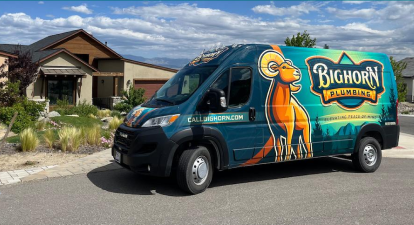
By leveraging these resources alongside professional guidance from a skilled plumber like those at Bighorn Plumbing, homeowners can implement changes that yield both immediate benefits and long-term sustainability.
Final Thoughts: Making Conscious Choices
The decisions we make regarding our plumbing systems hold profound implications not just for our homes but also for communities at large and the environment as a whole. By prioritizing efficient fixtures, exploring alternative materials, embracing innovative technology solutions such as greywater reuse or rainwater harvesting systems—we actively contribute toward preserving precious natural resources while enhancing our quality of life.
In every faucet turned off during brushing teeth or every low-flow shower taken instead of indulgent baths lies an opportunity—a chance to make conscious choices that ripple outward into broader environmental impacts over time.
As someone dedicated to providing quality plumbing services in Sparks NV through Bighorn Plumbing—I invite you all not only to consider how your own choices shape your immediate surroundings but also reflect upon how collectively we can forge paths toward more sustainable living practices far beyond mere renovation projects alone!
Bighorn Plumbing
1929 E Prater Way, Sparks, NV 89434, United States
+1 (775) 380-0911
[email protected]
Website: https://www.callbighorn.com