In the world of plumbing, backflow prevention is a crucial topic that often does not receive the attention it deserves. Homeowners and business owners alike can overlook this critical aspect until it becomes a significant issue. Backflow occurs when water flows in the opposite direction from its intended path, potentially contaminating clean water supplies. Understanding how backflow prevention works, why it matters, and what you can do to keep your plumbing safe is essential for anyone residing in Sparks, NV.
The Basics of Backflow
To grasp the importance of backflow prevention, one must first understand what backflow is and how it occurs. In simple terms, backflow refers to the unwanted reversal of flow in a plumbing system, which can happen due to various reasons such as changes in pressure within the water supply. For example, if a sudden drop in water pressure occurs during firefighting efforts or pipe bursts, it can create a vacuum that pulls contaminated water from other sources back into the clean water supply.
Backflow can be categorized into two types: backsiphonage and backpressure. Backsiphonage typically happens when there is a negative pressure in the distribution system—think of drinking from a straw. When you release your finger from the top of the straw after taking a sip, air enters and allows liquid to flow freely out. Similarly, backsiphonage allows contaminants to enter through cross-connections in plumbing systems.
On the other hand, backpressure occurs when there is an increase in pressure on the customer’s side of the meter that exceeds that of the municipal supply. This situation can arise from various sources such as pumps or thermal expansion from heating systems.
Why Backflow Prevention Is Essential
The consequences of failing to implement proper backflow prevention measures are serious. Contaminated drinking water poses significant health risks including gastrointestinal illnesses, neurological disorders, and even death in extreme cases. Moreover, local regulations mandate specific backflow prevention devices for commercial properties and certain residential setups—failing to comply could result in hefty fines or legal issues.
The risk extends beyond personal health; businesses could face severe financial repercussions if found responsible for contaminating water supplies. For instance, restaurants could be forced to shut down temporarily while addressing an outbreak traced back to their plumbing system.
Local Regulations
In Sparks, NV, city ordinances require certain residential and commercial properties to have approved backflow prevention devices installed and regularly tested by licensed plumbers. This requirement ensures public health safety by maintaining clean potable water standards across neighborhoods. Local Sparky plumbers like Bighorn Plumbing are well-versed in these regulations and can assist property owners with installation and maintenance.

Common Types of Backflow Prevention Devices
Understanding different types of backflow prevention devices can help homeowners make informed decisions about their plumbing systems. Here are some common devices:
Air Gap: This simplest form involves creating physical separation between potable water and potential contaminants (like wastewater). An air gap is commonly seen at sink faucets where dishwashers connect.
Reduced Pressure Zone (RPZ) Valve: This device maintains constant pressure within your plumbing system while allowing for small fluctuations without compromising safety.
Double Check Valve Assembly: Comprising two check valves placed parallelly, this assembly prevents any backward flow while providing redundancy should one valve fail.
Pressure Vacuum Breaker (PVB): Often used for irrigation systems or outdoor spigots, PVBs utilize atmospheric pressure to prevent backsiphonage.
Hose Bibb Vacuum Breaker: A simpler version designed specifically for hose connections; it prevents contamination when using hoses connected to garden sprinklers or other fixtures.
Each device serves its purpose based on specific needs and conditions within your property’s plumbing system; thus consulting with experienced plumbers in Sparks NV will yield tailored recommendations suited for your circumstances.
Regular Maintenance Matters
Installing a backflow prevention device is just one part of ensuring safe plumbing practices; regular maintenance is equally vital. Most devices should undergo testing annually at minimum—some may require more frequent checks depending on local regulations or specific circumstances like proximity to potential contamination sources.
A licensed plumber can conduct these tests effectively—checking for wear on seals or obstructions that may impede proper function—and replace components as needed. It’s also worthwhile reaching out during particularly heavy usage periods such as summer months when irrigation systems see increased activity.
Neglecting routine maintenance increases risks significantly over time; https://alexisczwz177.trexgame.net/plumbing-faqs-answers-from-professional-plumbers-in-sparks-nv minor leaks or misalignments unnoticed today may lead to catastrophic failures later on if left unaddressed long-term.
Educating Yourself
As homeowners become more aware of their plumbing systems' intricacies—including potential hazards like backflow—they empower themselves not only against costly repairs but also against health threats lurking beneath unsuspecting surfaces.
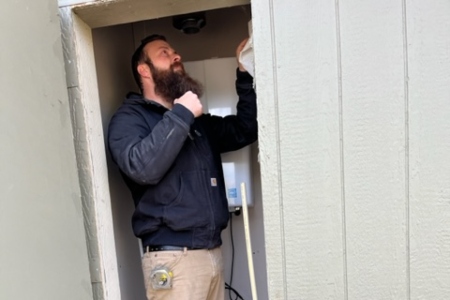
Take time to educate yourself about your home’s pipes; understanding where connections exist between drinking supplies versus non-potable sources helps mitigate risks before they escalate into emergencies requiring immediate attention from local Sparky plumbers who specialize in resolving such crises swiftly yet effectively.

The Role of Professional Plumbers
While some DIY enthusiasts might attempt basic plumbing tasks around their homes—including installing certain types of backflow prevention devices—it’s crucial not to underestimate complexity involved with hazardous connections requiring professional oversight.
Licensed professionals possess both knowledge base necessary for recognizing nuances affecting each unique setup as well as tools required performing installations safely without risking damage elsewhere throughout existing infrastructure already present within walls behind cabinetry etcetera!
Moreover working with certified technicians ensures compliance with all relevant codes established by governing bodies overseeing public safety—a critical factor preventing future liabilities arising from negligent workmanship during installations performed by unqualified individuals lacking appropriate credentials backing up skills claimed!
Bighorn Plumbing offers reliable services tailored specifically towards residents looking address concerns regarding their home’s drainage issues—from simple repairs fixing leaks found under sinks right through implementing comprehensive solutions safeguarding against threats posed by improper handling sewage lines running beneath foundations directly impacting quality life enjoyed inside dwellings itself!
Cost Considerations
Investing in proper installation along with ongoing maintenance represents an upfront cost many homeowners might initially hesitate upon considering—but this decision ultimately leads greater savings realized down road thanks reduced risk facing unexpected expenses incurred resulting extensive damages caused flooding incidents stemming directly improper management waste disposal practices observed earlier!
Costs associated with purchasing equipment along labor fees charged licensed contractors vary widely depending several factors including complexity job scope involved geographic location chosen materials utilized among others—but generally speaking price range falls anywhere between $200-$1,500 depending specifics surrounding project undertaken particular household requirements present therein!
It pays dividends having peace mind knowing everything done correctly first time around—not merely throwing together haphazard solutions merely prolonging lifespan existing fittings rather than addressing root causes leading breakdowns ultimately costing much more overall long run beyond immediate outlay incurred right now today!
Final Thoughts on Backflow Prevention
Backflow prevention may seem like an abstract concern until you realize how directly it impacts both safety and comfort within our homes! By understanding its significance along with taking proactive steps ensure adequate safeguards put place—from consulting professionals familiar local regulations through routinely maintaining installed devices—you protect not only yourself but neighbors community at large too!
Living confidently means investing time energy resources making sure every detail handled properly—even those seemingly insignificant aspects contributing overall function integrity entire system! Engage qualified experts capable guiding journey toward safer healthier living environment tailored perfectly fit individual needs preferences desired outcomes aspirations envisioned future ahead!
Bighorn Plumbing
1929 E Prater Way, Sparks, NV 89434, United States
+1 (775) 380-0911
[email protected]
Website: https://www.callbighorn.com